An Exploration of the Planning Framework and Strategies for Digital Transformation of Urban Spaces
城市空间数字化转型的规划框架与策略探讨
Keywords
Smart city; Digital transformation; Refined urban governance; Urban space; Regional planning
智慧城市;数字化转型;精细化治理;城市空间;区域规划
Highlights
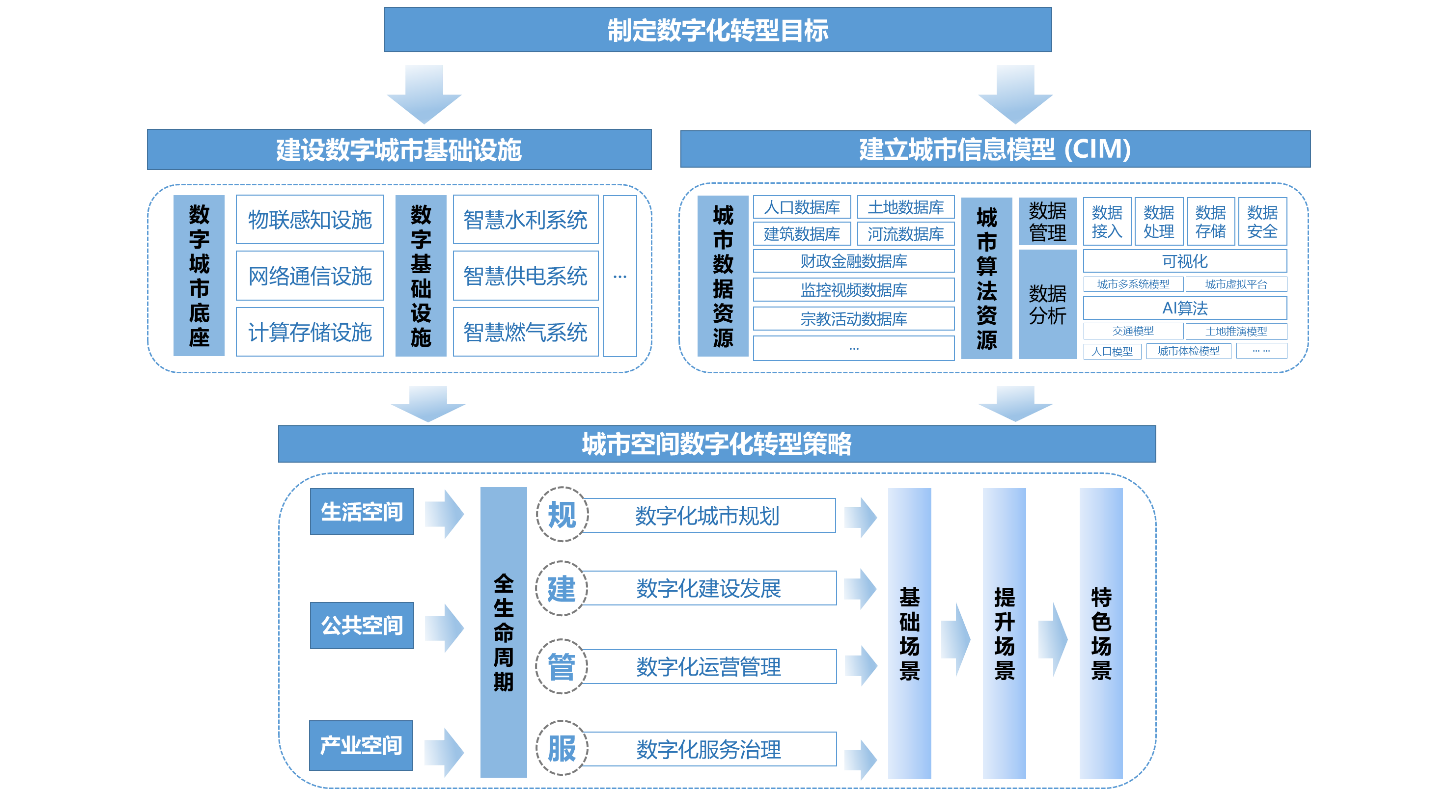
• Proposed a planning framework for urban space digital transformation, covering current situation analysis, goal setting, infrastructure development, intelligent model construction, and digital transformation strategies.
• 提出了一个涵盖现状分析、目标制定、基础设施建设、智能模型构建及数字化转型策略的城市空间数字化转型规划框架。
• 针对生活空间、公共空间及产业空间的不同特性,提出了全生命周期数字化转型策略,强调空间功能、人群需求与技术融合。 • Verified the framework's applicability through case studies and explored how digital planning promotes urban sustainability and end-to-end governance.
• 通过案例分析,验证了框架的适用性,并探索了数字化规划如何促进城市可持续发展和全流程治理。 • Highlighted the synergy between virtual and physical spaces, utilizing digital twin technologies to enhance urban management and service efficiency, advancing smart city construction.
• 强调虚拟空间与实体空间的协同构建,结合数字孪生技术提升城市管理与服务效率,助力智慧城市建设。
Introduction
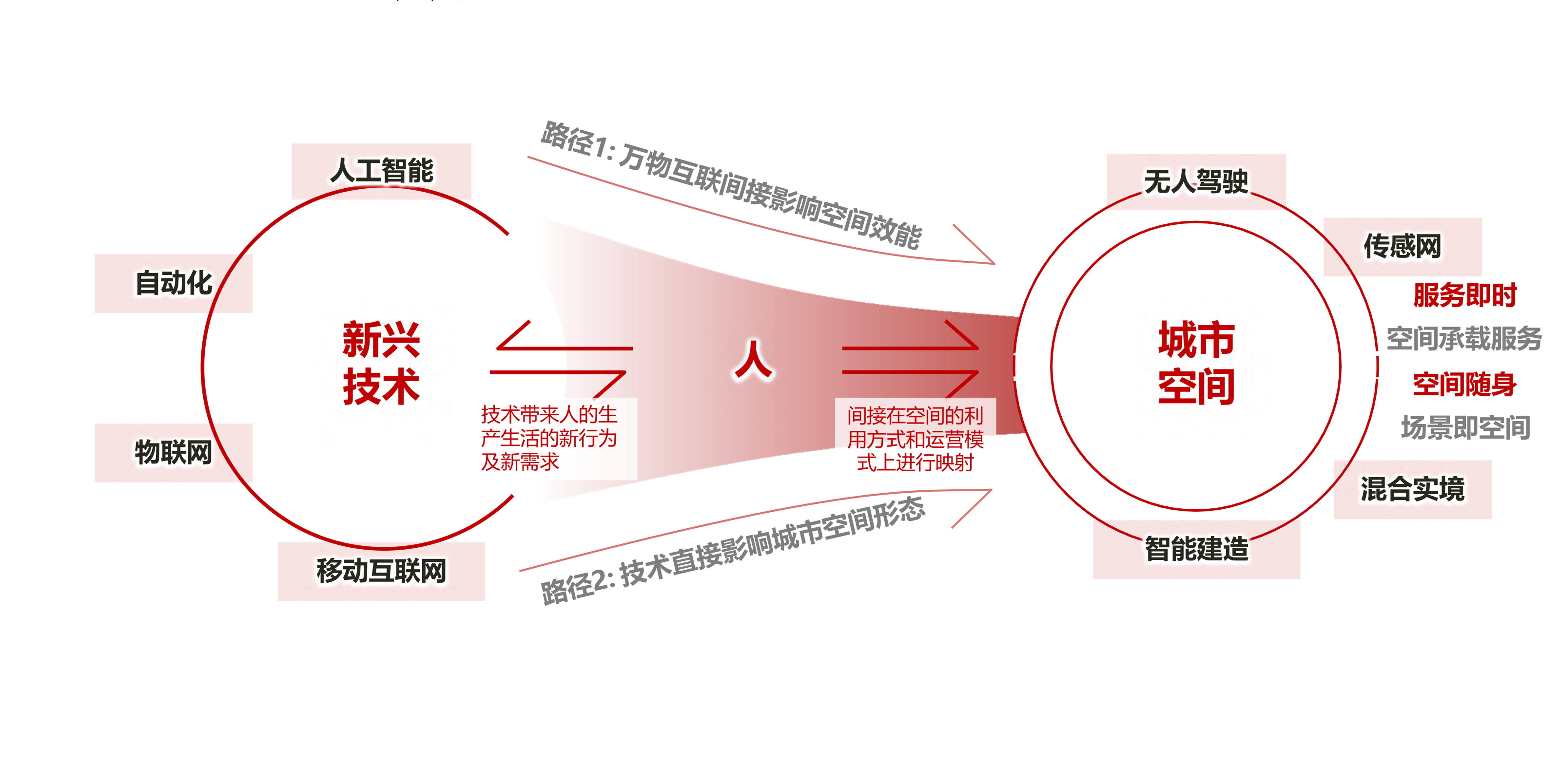
Urban digital transformation is a crucial path for cities to enhance governance efficiency, residents'quality of life, and industrial development in an era of the information and AI. As the foundation, information and communication technology infrastructure must be closely integrated with the city's current digital status and public needs, to promote the realization of a co-governed, shared, and ecologically friendly spatial digital transformation. This paper aims to establish a planning framework for the digital transformation of urban spaces, covering current situation analysis, goal setting, infrastructure construction, urban intelligent model construction, and diverse digital transformation strategies for living spaces, public activity spaces, and industrial spaces.
城市数字化转型是城市在信息智能时代背景下提升治理效能、居民生活质量及产业发展水平的重要途径。城市的数字化转型离不开空间的数字化转型,以推动实现共治共享、生态友好的城市空间数字化转型。文章旨在构建城市空间数字化转型的规划框架,涵盖现状分析、目标设定、基础设施建设、城市智能模型构建,以及针对生活空间、公共空间与产业空间的多类型空间数字化转型策略。
Through case analysis and literature review, this paper systematically explores digital transfor- mation strategies for various space types throughout their lifecycles, aiming to promote the digital sustainable development of cities.It also analyzes potential risk factors that may arise during the transformation process,providing a feasible planning framework as well as strategies for the practice of digital transformation of urban spaces in China.
通过案例解析与文献综述,文章系统探讨了各空间类型在全生命周期内的数字化转型策略,旨在促进城市的数字可持续发展并对转型过程中可能出现的风险因素进行剖析,为我国城市空间数字化转型的实践提供可探讨的规划框架与策略。
Against the backdrop of digital cities and digital transformation, this paper proposes a planning strategy for digital transformation from a spatial perspective. The transformation space is divided into three categories: digital living space, digital public space, and digital industrial space. Strategies for digital transformation are proposed in alignment with the full lifecycle of "planning, construction, management, and service" in the digital domain. Specifically, the strategy for digital living space focuses on creating co-governed, shared, and eco-friendly living environments. The strategy for digital public space emphasizes the development of new urban public activity centers characterized by industrial-urban integration, quality vitality, and cultural appeal. Lastly, the strategy for digital industrial space aims to build data-driven, green and efficient, and smartly interconnected industrial environments.
本文在数字化城市和数字化转型建设的大背景下,提出了从空间层面进行数字化转型 的规划策略,将转型空间划分为数字生活空间、数字公共空间、数字产业空间,并按照数字化“规建 管服”的全生命周期提出数字化转型策略。其中,数字化生活空间策略着重于建设共治共享、生态宜居的数字生活空间;数字化公共空间着重于发展产城融合、品质活力、文化魅力的新城公共活动中心;数字化产业空间则着重于建设数据驱动、绿色高效、智慧互联的数字产业空间。
Publication
刘超, 田野佑民, 陈树熙, 等.
城市空间数字化转型的规划框架与策略探讨[J].
城市与区域规划研究, 2024, 16(1): 47-61.
LIU C, TIAN Y Y M, CHEN S X, et al. An exploration of the planning framework and strategies for digital transformation of urban spaces[J]. Journal of Urban and Regional Planning, 2024, 16(1): 47-61.
materials
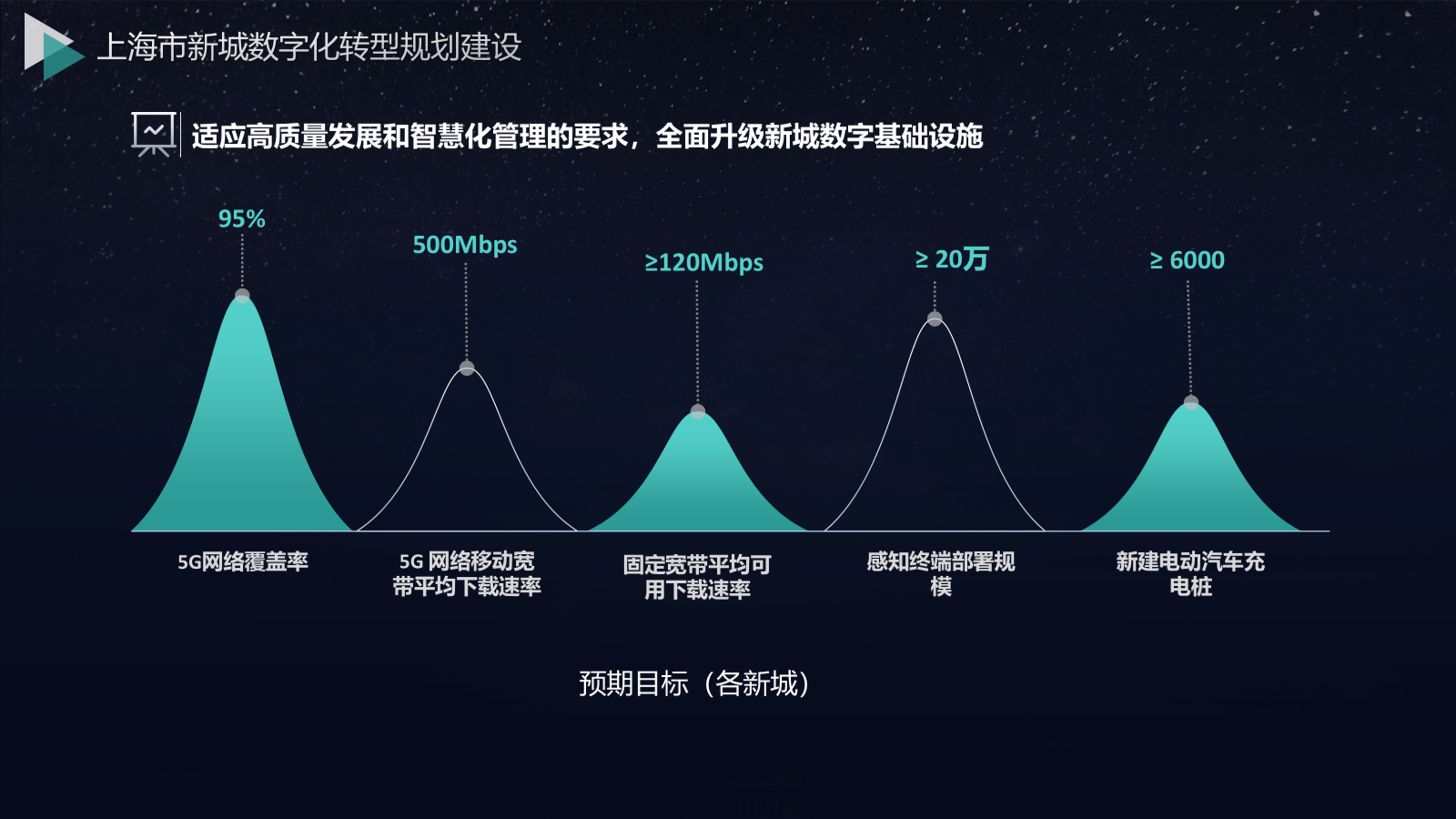
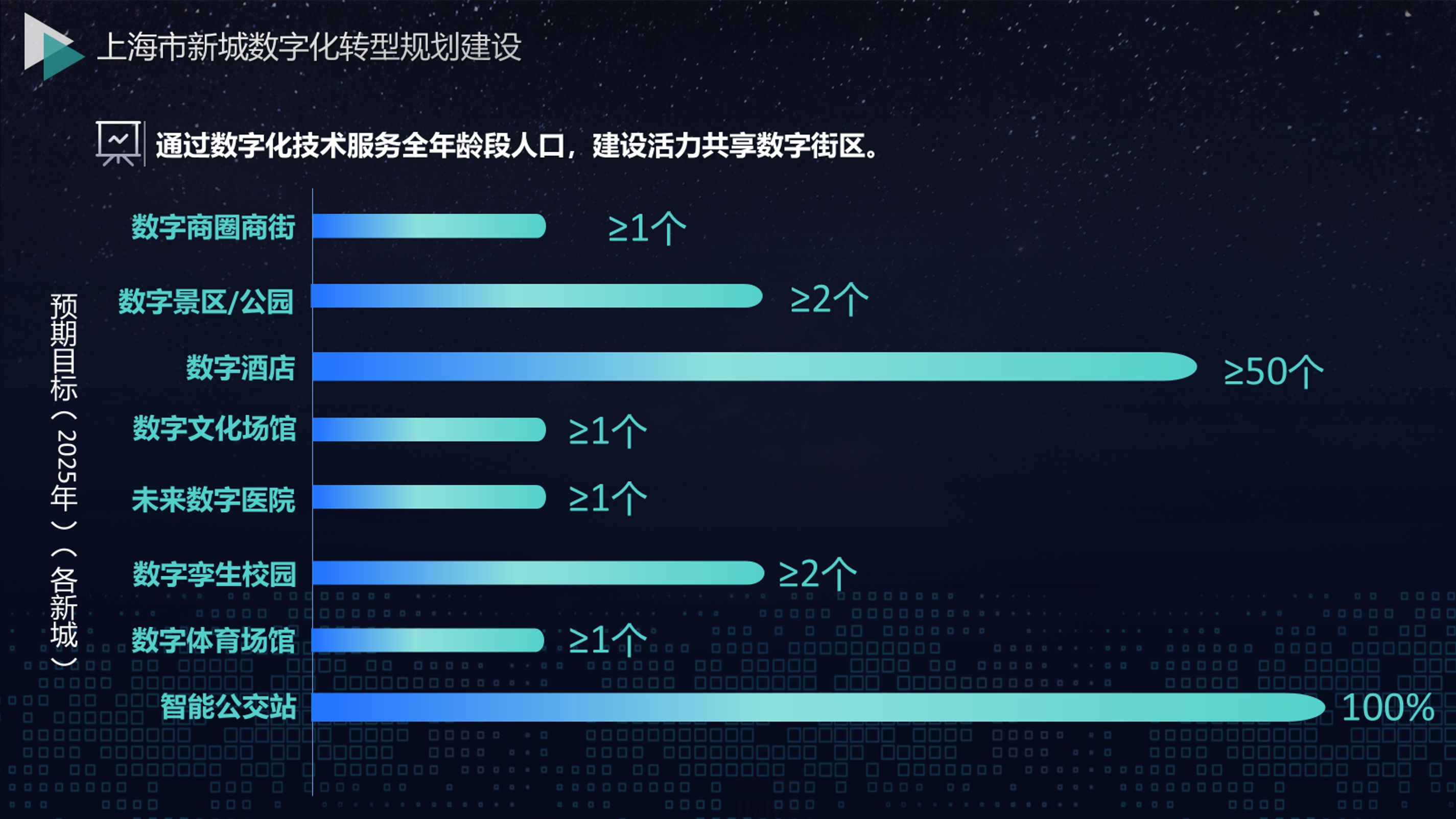
上海市经济信息化委、市规划资源局、市住房城乡建设管理委.
上海市新城数字化转型规划建设导引.
2022.8.